
Our story
A clear path through planning — grounded in real development experience
Fellpath Planning is an independent town planning consultancy based in Cumbria.
We combine Chartered planning expertise, commercial understanding and straightforward communication to help homeowners, landowners, businesses and developers make better decisions and secure planning permissions that can actually be delivered.
From an individual home or rural business to a major housing development, our purpose is the same: to understand what you want to achieve, identify the real planning issues and establish the clearest route forward.
Fellpath at a glance
17+ years planning experience
9 years working in local government
8 years working in house building
1,486 homes secured planning permission during David’s housebuilding career
Grounded in local, expert knowledge
Focused on practical results and getting things built
Why Fellpath was founded
Planning decisions can shape whether somebody can improve their home, whether a business can grow, whether land has development value and whether much-needed new homes are delivered.
Yet the system can feel technical, slow and disconnected from what the applicant is actually trying to achieve.
People are often told what the policies say without being given a clear strategy. Applications can be prepared without the main risks being identified. Permission may even be secured for a proposal that is too expensive, restricted or impractical to build.
David Wright MRTPI founded Fellpath Planning in 2025 to provide a different kind of planning advice: experienced, commercially aware, easy to understand and focused on delivery.
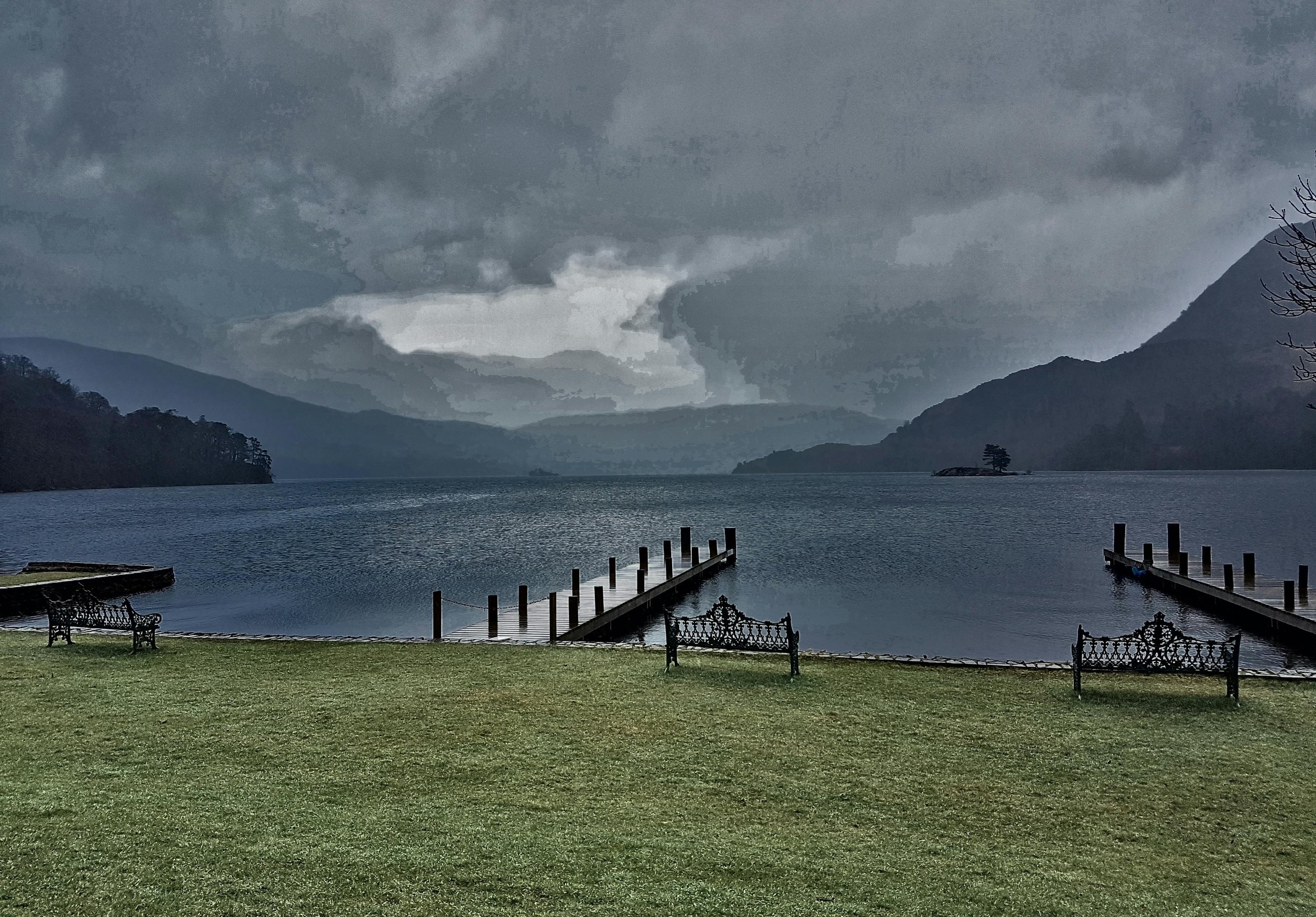
The Fellpath name captures that purpose. We are rooted in the Cumbrian fells and focused on finding a clear path through difficult planning terrain.
Experience from both sides of the planning system
Fellpath is led by founder and Managing Director David Wright MRTPI, a Chartered Town Planner with more than 17 years’ experience across local government, housebuilding and private consultancy.
Nine years in local government
David began his planning career in enforcement at Copeland Borough Council before progressing into roles at the Royal Borough of Kensington and Chelsea and Eden District Council, where he led planning teams.
That experience provided a detailed understanding of how councils assess applications, how decisions are made and why apparently straightforward proposals can encounter difficulty.
It also reinforced the importance of constructive relationships. Strong planning cases require evidence and policy support, but progress often depends on identifying the real concern, speaking to the right people and finding a practical solution.
Seven and a half years inside housebuilding
David then joined Gleeson Homes and helped establish its Cumbria division from the ground up.
The division grew to deliver more than 200 homes annually, while David secured planning permission for 1,486 homes during his time with the business.
Working inside a housebuilder created an understanding that traditional planning advice alone cannot provide. Every proposal had to work across land, design, technical, commercial, sales, finance and construction—not simply achieve a positive planning decision.
When David established Fellpath, Gleeson Homes retained the business as a planning consultant. That continuing relationship reflects the trust built through years of working together.
Development IQ: looking beyond the decision notice
At Fellpath, planning permission is not treated as the finishing line.
A proposal can appear acceptable on a policy map but fail because access cannot be delivered. A layout can secure permission but lose value through drainage, ecology or abnormal costs. Conditions and planning obligations can make an otherwise positive consent difficult to implement.
We call the ability to understand those connections development IQ.
It means considering questions such as:
Can safe and suitable access be provided?
Is there a realistic drainage and utility solution?
How will ecology and Biodiversity Net Gain affect the developable area?
Does the layout respond to the market and make efficient use of the land?
Are affordable-housing and planning-obligation requirements viable?
Could abnormal construction costs undermine delivery?
Are the proposed conditions practical?
Can the permission be funded, built and used?
Fellpath is not an architectural, engineering or cost-consultancy practice. Where specialist evidence is required, we identify the need and help bring the right professional team together.
Our role is to ensure that the planning strategy reflects the wider development picture.
A modern consultancy rooted in Cumbria
Fellpath works across Cumbria and beyond, supporting projects in towns, villages, rural communities and protected landscapes.
Local knowledge matters. Planning policies, settlement strategies, housing pressures and development constraints vary significantly across the county. However, local knowledge must be combined with wider experience, professional curiosity and an understanding of how national policy is changing.
We use modern digital tools to support planning research, mapping, site analysis, project management, deadline monitoring and communication. Technology allows us to handle information more efficiently and spend more time on judgment, strategy and client advice.
It does not replace professional responsibility. Every recommendation remains grounded in the site, the evidence and the judgment of an experienced Chartered Town Planner.
In 2026, Fellpath was named a joint winner of the Mitie Business Boost competition and awarded £20,000 to help develop its digital planning tools. The award recognised Fellpath’s business strategy, use of innovation and potential to create a positive economic impact in West Cumbria.
Link: Read about the Mitie Business Boost award
How we work
Clear advice
We explain planning issues in plain English, identify the available options and recommend a route forward.
Honest judgment
We do not guarantee planning permission. Where we believe a proposal should change—or should not proceed—we will say so before more money is spent.
Commercial awareness
We consider whether the planning strategy supports a proposal that can be viably built, funded and delivered.
Direct involvement
Clients receive experienced planning input and a clear understanding of who is undertaking their work.
Regular communication
We keep clients informed, explain emerging risks and provide timely updates rather than leaving them to chase for information.
Practical problem-solving
We focus on the decisive issues, coordinate the necessary evidence and seek constructive solutions with councils, consultees and project teams.
Who we help
Fellpath works with:
Homeowners extending, altering or improving their properties;
Landowners assessing or promoting development opportunities;
Self-builders and people seeking permission for an individual home;
SME housebuilders delivering small and medium-sized schemes;
Major housebuilders and housing providers;
Rural enterprises, farms and tourism businesses;
Commercial property owners and occupiers;
Community organisations and public-sector partners; and
Clients dealing with refusals, appeals, conditions or enforcement matters.
Whether the project involves a house extension or a strategic housing site, the first question is not simply, “Can we submit an application?”
It is:
“What is the most effective route to achieving a useful and deliverable outcome?”
Clear advice—even when the answer is no
No responsible planning consultant can promise that permission will be granted.
Fellpath’s value lies in giving clients the clearest possible understanding of the opportunity, risks, likely costs and next steps.
Sometimes that means progressing directly to an application. Sometimes it means seeking pre-application advice, changing the design, assembling further evidence or promoting land patiently over several years.
Occasionally, the most valuable advice is not to proceed.
We would rather give that advice honestly at the beginning than charge a client to pursue an unrealistic proposal.
Tell us what you want to achieve
If you are considering a project, send us:
The property or site address;
A short explanation of your objective;
A plan showing the relevant land;
Any existing drawings; and
Details of previous applications or council correspondence.
We will help you understand the most sensible first step and the likely scope and cost before you commit.