
Commercial planning consultants in Cumbria
Planning advice for premises that work for your business.
Opening a new business, moving premises or expanding an existing operation? Understand what is possible, which permissions you need and what could affect your plans before committing to the next stage.
Fellpath Planning helps business owners, commercial landlords, rural enterprises and community organisations across Cumbria and beyond. From changing the use of a shop to expanding a workshop or finding a new purpose for a farm building, we provide clear advice and a practical planning strategy.
Discuss your commercial project
Tell us the property address, what you want to do and your preferred timescale. We will explain the recommended first step and the proposed fee before you instruct us.
Before you commit to premises, check the planning position
A building can look ideal and still present planning difficulties. The existing permission may restrict its use, opening hours, deliveries or outdoor activity. The changes needed to make it suitable may also require approval.
Early advice helps you understand those issues while you still have choices.
If you are considering a lease, purchase or fit-out, we can review the planning position alongside your proposed business activities. You can then discuss any implications for the transaction with your solicitor and other advisers.
The useful starting question is: can these premises support the business you want to run?
What can we help you achieve?
Open a business or change how a property is used
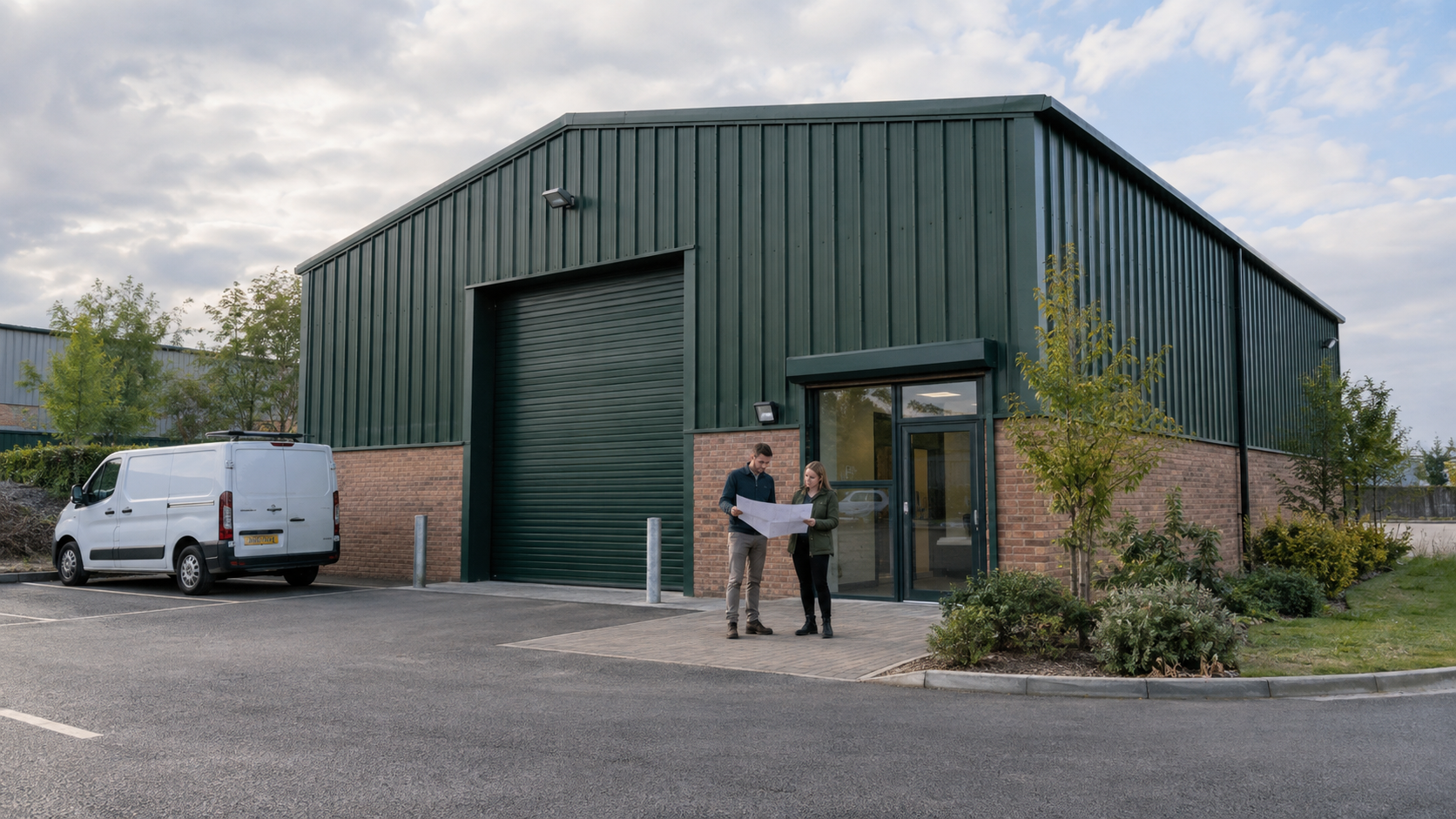
Planning advice for shops, cafés, offices, workshops, health and leisure premises, and other commercial uses. We assess the existing lawful use, your proposal and the appropriate route, including whether an application is needed.
Extend, adapt or develop commercial premises
Support for new business space, extensions and alterations. We consider the location, design, access, servicing and relationship with neighbouring properties, helping you identify the evidence needed for a credible application.
Diversify a farm or rural business
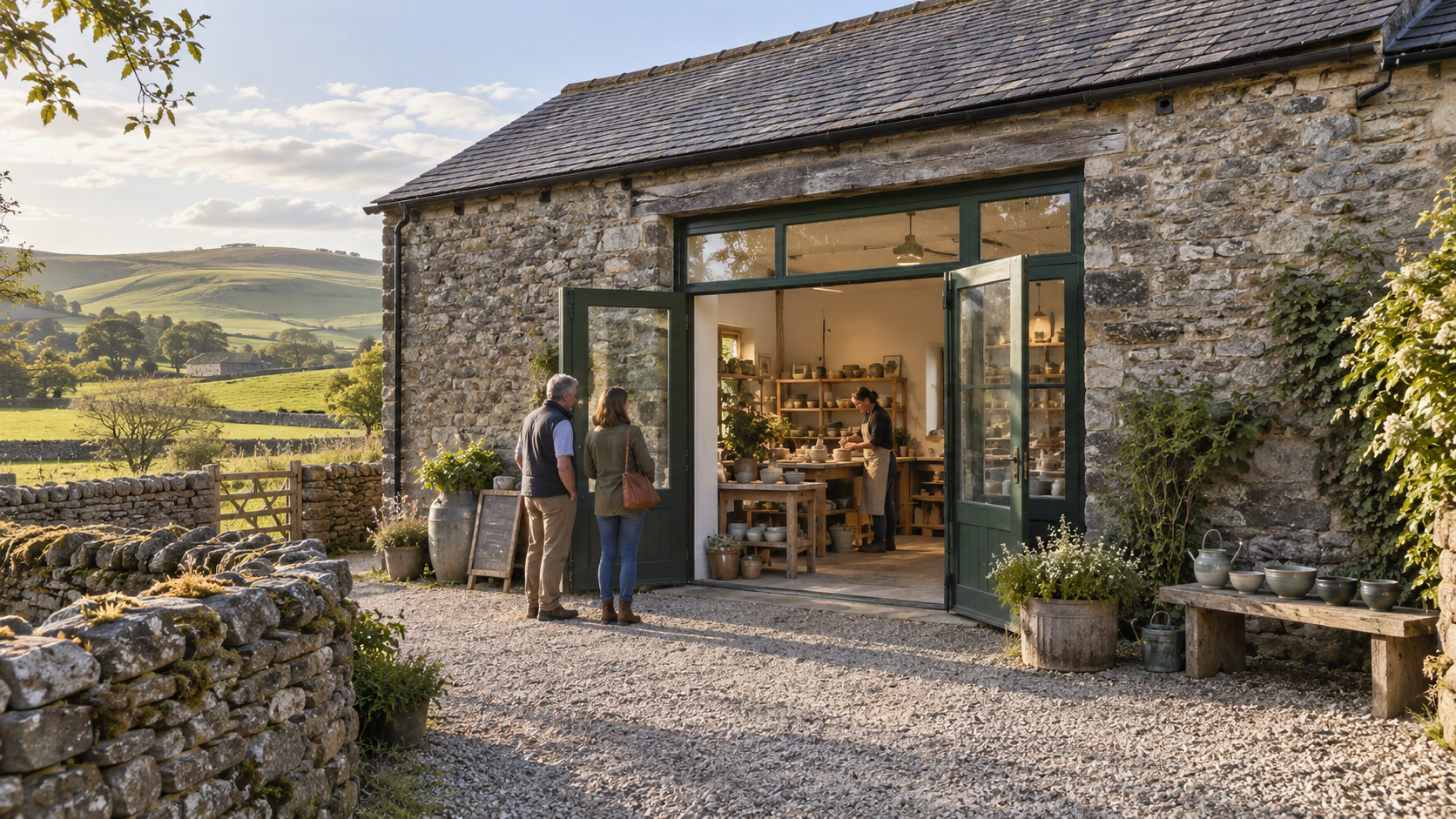
Advice on reusing agricultural buildings and introducing rural workspace, visitor facilities, tourism or other business activities. We assess the opportunity against the site's planning history, countryside policies and practical constraints before recommending how to proceed.
Improve a town-centre property
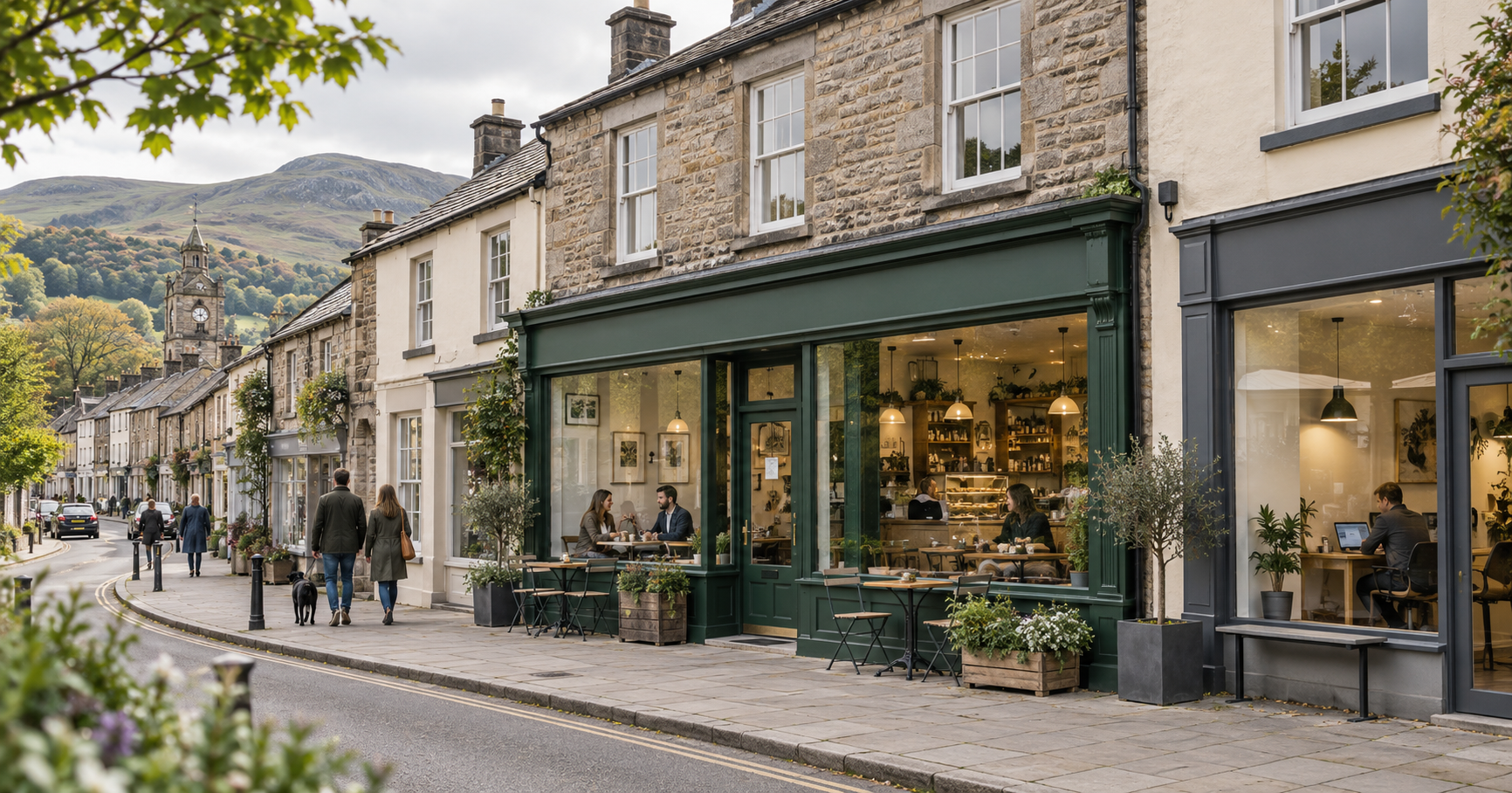
Support for shopfront alterations, signage, upper-floor reuse and mixed-use proposals. Historic buildings, nearby homes and the character of the street can influence what is achievable. We help you understand those issues early.
Progress a community or public-sector project
Planning support for community buildings, services and facilities. We help organisations establish the planning requirements, coordinate supporting information and present a clear case for their proposal.
Resolve a condition, refusal or uncertain planning status
Advice on lawful development certificates, planning conditions, amendments, refusals and appeals. We review the history and evidence before recommending whether to clarify the position, amend the proposal or pursue a further application or appeal.
Does every change of use need planning permission?
No. Some changes within the same use class do not require planning permission. Other proposals may benefit from permitted development rights, sometimes subject to prior approval. Existing conditions and the details of the proposed activity still matter, and physical alterations can require separate approval. Government guidance explains these distinctions.
We check the route before recommending an application. Where formal confirmation of lawfulness would be useful, we can advise on a lawful development certificate and the evidence it needs. Read the government's explanation of lawful development certificates.
Building regulations, licensing, advertisement consent, listed building consent and private permissions such as landlord consent may also need separate consideration. Planning advice should form part of your wider project preparation. See government guidance on other consents and private restrictions.
The permission needs to support how your business operates
A planning strategy should reflect the day-to-day reality of your business.
For example, a café depending on evening trade needs to understand any proposed restriction on opening hours. A workshop needs workable delivery arrangements. A rural visitor business needs suitable access and a realistic approach to parking.
We discuss the details that could affect your operation, including:
Opening hours, customer numbers and outdoor activity;
Deliveries, servicing, waste storage and collection;
Noise, extraction, odour and external equipment;
Access, parking and the needs of staff and visitors;
Drainage, utilities and space needed for supporting infrastructure; and
The cost and timing implications of proposed conditions.
Where specialist input is needed, we help identify it early and coordinate with your architect, engineer or other advisers. We also review proposed conditions and seek changes where there is a sound planning case. Conditions can control how a development is implemented and used. Government guidance sets out the relevant principles.
Why work with Fellpath?
Fellpath is led by David Wright MRTPI, a Chartered Town Planner with more than 17 years' experience across local government, housebuilding and private consultancy.
Nine years in local government provided a detailed understanding of how applications are assessed and decisions made. Years working inside housebuilding added a practical understanding of budgets, technical constraints, programmes and delivery.
We bring that development IQ to commercial projects: understanding how planning decisions affect the investment and the operation behind them.
Modern research, mapping and project tools help us work efficiently. Advice remains grounded in professional judgement, the site's circumstances and your objectives.
You can expect straightforward explanations and an honest view of the risks. If a different property, revised proposal or smaller first step looks more sensible, we will say so.
More about David and Fellpath's experience.
How we move your project forward
1. Understand the business and the property
Tell us what you want to achieve, how the premises would operate and any deadlines affecting your decision. We agree the scope of the initial work before starting.
2. Establish the planning route
We review the relevant planning history, policies and constraints. You receive advice on the principal risks, the available options and whether pre-application discussions or specialist evidence would help.
3. Prepare and manage the application
Where an application is needed, our agreed role can include planning statements, coordination of supporting information, submission, council liaison and responses to consultation comments. The fee proposal explains what is included.
4. Understand the decision and next steps
We explain the outcome and any conditions affecting your plans. Further work to discharge conditions, seek amendments or consider an appeal can be agreed where needed.
Throughout the instruction, we keep you informed about progress, emerging issues and decisions requiring your input.
What does commercial planning advice cost?
Fellpath's standard consultancy rate is £175 per hour. The total depends on the scope, complexity and amount of negotiation required.
A focused review of a property's planning position involves different work from managing a new commercial development. We explain the proposed scope and charging basis before you instruct us, including any applicable VAT and expenses.
Council application fees, drawings and specialist reports are separate costs unless the written proposal says otherwise. We identify likely additional requirements so you can assess the wider budget.
Read how planning consultancy fees work.
Questions business owners often ask
How long will the planning process take?
The programme includes preparing the proposal and supporting evidence, obtaining a decision and dealing with any conditions that must be satisfied before work or occupation. Council and consultee workloads, revisions and outstanding information can affect progress. An opening date should allow for the whole process, including uncertainty around the decision. Government guidance explains determination periods and extensions.
We help you identify the likely stages and dependencies so you can plan the project realistically.
Do I need drawings before contacting you?
No. An address, photographs and a short description of your plans are enough to begin a conversation about the appropriate first step. Existing drawings and planning decisions are helpful if you have them. Detailed applications will usually need further information.
Can you work with my architect or other advisers?
Yes. We can provide planning strategy and application support alongside your existing team. We agree responsibilities at the outset so everyone understands who is preparing drawings, commissioning reports and communicating with the council.
What if I have already opened or started work?
Send us the planning history and any council correspondence, including deadlines. We can assess the position and advise on the options. Any application to regularise the position needs to be considered on its merits; approval cannot be assumed.
Read what to do if you receive a planning enforcement letter or notice.
Tell us what you want your premises to do
Whether you are comparing properties, preparing to expand or trying to resolve a planning problem, start with the business objective.
Send us:
The property or site address;
Its current use and your proposed activities;
Any drawings, photographs or previous planning decisions; and
Your preferred opening date or other important deadline.
We will explain the most useful first step and the basis on which we would charge. You can then decide whether to proceed with a clear understanding of the proposed work.